How to Capitalize on Multi-Family Real Estate Trends


Understanding Multi-Family Real Estate Trends
In recent years, the real estate market has witnessed a growing interest in multi-family properties. These investments offer unique opportunities and have become increasingly attractive to both seasoned investors and newcomers. Understanding the current trends in this sector is essential for capitalizing on these opportunities and maximizing returns.
Increased Demand for Urban Living
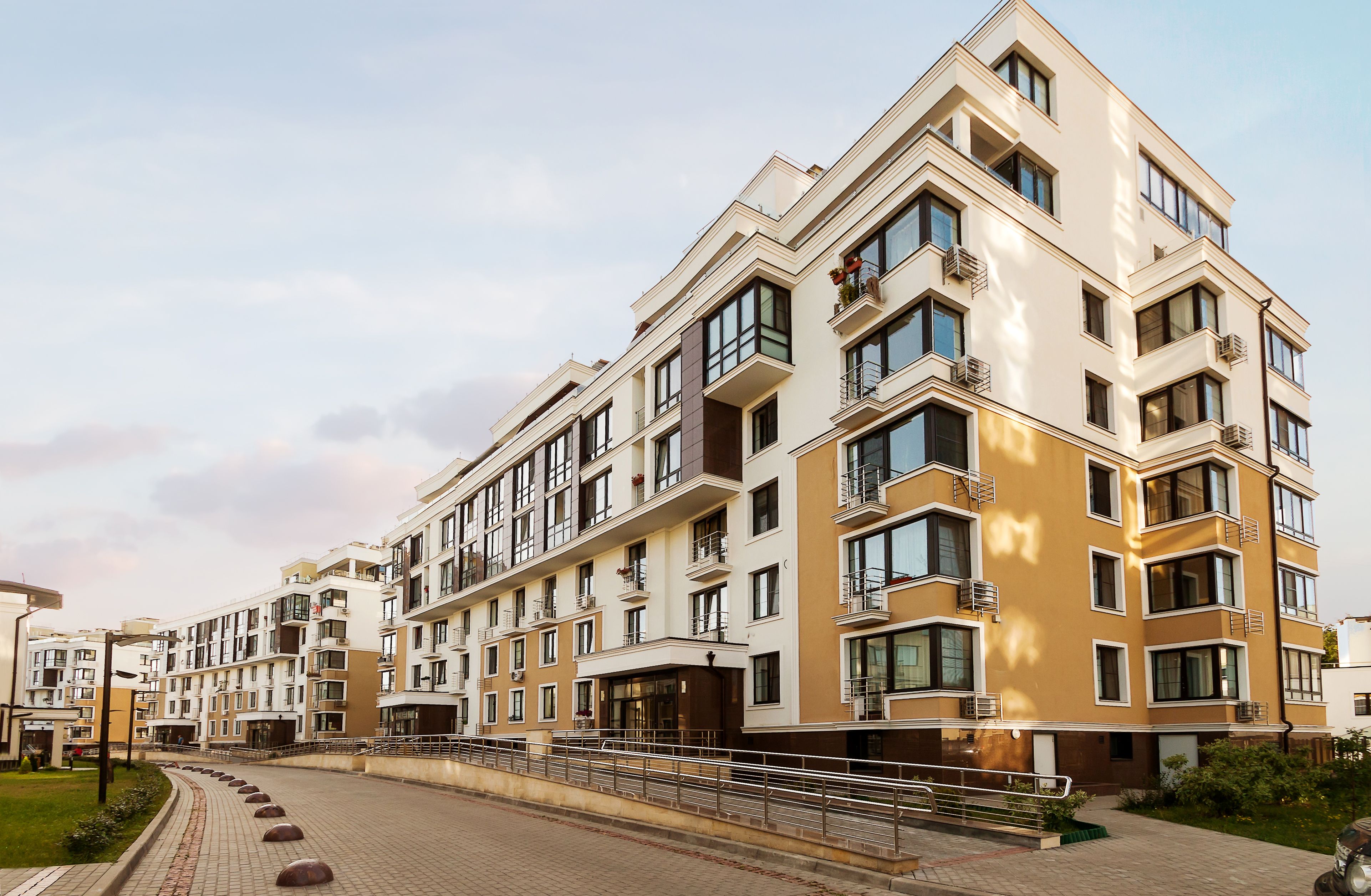
One of the most significant trends is the increased demand for urban living. Many people, particularly millennials and young professionals, prefer living in vibrant city centers where they have easy access to amenities and employment opportunities. This shift has led to a surge in demand for multi-family properties in urban areas.
Investing in multi-family units in these locations can yield substantial returns. Property values and rental rates tend to appreciate more quickly in urban centers, providing investors with both short-term rental income and long-term capital appreciation.
Emphasis on Sustainable Living
Today's tenants are more environmentally conscious than ever. Many are seeking eco-friendly housing options that align with their values. Multi-family properties that incorporate sustainable features such as solar panels, energy-efficient appliances, and green building materials are in high demand.

Investors can capitalize on this trend by upgrading existing properties or developing new projects with sustainability in mind. These enhancements not only attract eco-conscious tenants but can also lead to cost savings through reduced utility expenses.
Technology Integration
The integration of smart technology is another trend reshaping the multi-family real estate market. Tenants are increasingly looking for properties that offer smart home features such as automated lighting, smart thermostats, and advanced security systems.
By incorporating these technologies, property owners can enhance tenant satisfaction and command higher rental rates. Additionally, these features can improve property management efficiency, leading to reduced operational costs.

Strategies for Success in Multi-Family Real Estate
Diversification of Portfolio
Diversifying your investment portfolio is a key strategy for success in the multi-family real estate market. By investing in properties across different geographic locations and market segments, you can mitigate risks and increase potential returns.
Consider exploring opportunities in emerging markets where property prices are lower and growth potential is high. This approach allows you to tap into new areas of demand and balance your overall investment portfolio.
Focus on Community Amenities
Community amenities play a crucial role in attracting and retaining tenants. Properties that offer amenities such as fitness centers, co-working spaces, and communal gardens tend to have higher occupancy rates.
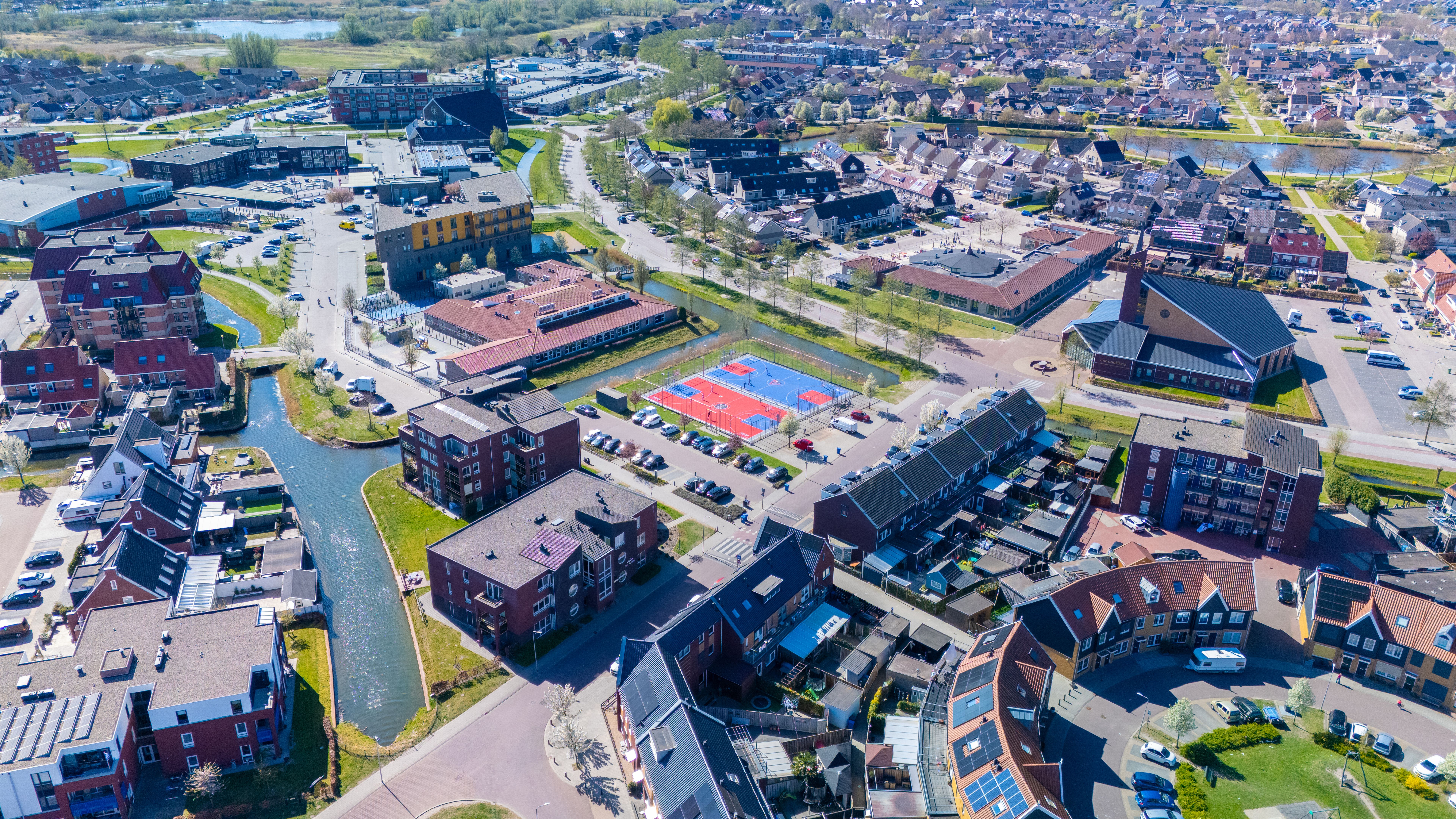
Investors should focus on creating a sense of community within their properties. By fostering a vibrant and connected living environment, you can enhance tenant satisfaction and encourage long-term leases.
Conclusion
Capitalizing on multi-family real estate trends requires a keen understanding of market dynamics and a strategic approach to investment. By focusing on urban demand, sustainability, technology, diversification, and community amenities, investors can position themselves for success in this dynamic sector.
Staying informed and adapting to evolving trends will ensure that your investments remain profitable and resilient in the face of changing market conditions.